Interior Sewer Line Repair
Sewer line problems do not always happen out in the yard. In many cases, the issue is actually located underneath your home, beneath the basement floor, crawl space, or concrete slab. When this happens, it can create serious plumbing problems that affect your entire property.
At Sewer Line Denver, we specialize in diagnosing and repairing interior sewer line issues. Using advanced camera inspections and leak detection methods, we can pinpoint the exact location of the problem and recommend the most effective repair solution. Whether you are dealing with recurring backups, foul odors, or a broken pipe beneath your foundation, our team has the experience to restore your sewer system properly.
The key to any successful repair is identifying the problem before it becomes a larger and more expensive issue. Our goal is to provide long term solutions while minimizing disruption to your home whenever possible.
Contact Us
We will get back to you as soon as possible.
Please try again later.
What Is Interior Sewer Line Repair?
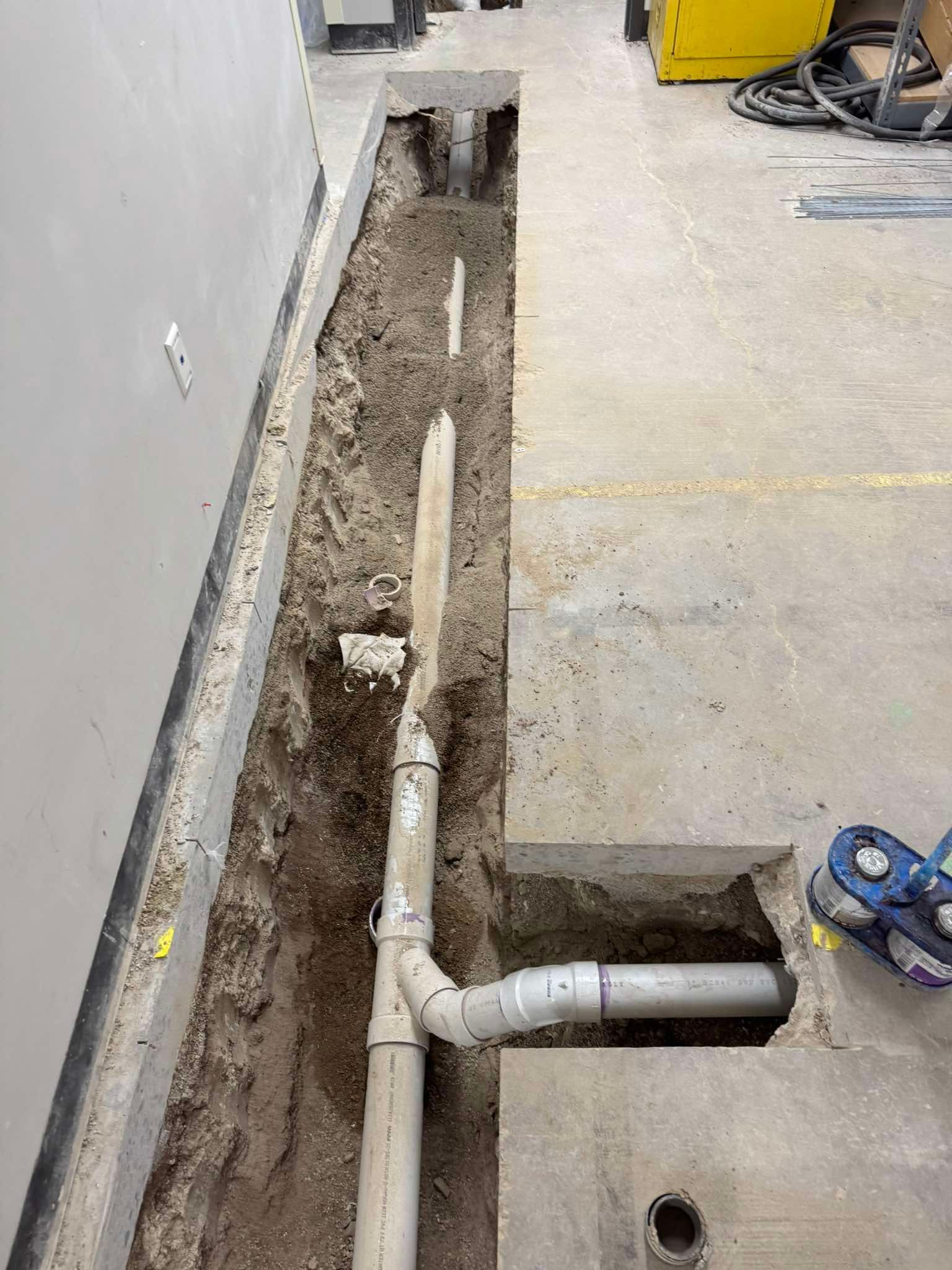
Interior sewer line repair focuses on sewer pipes located underneath your home or building. These pipes carry wastewater from your plumbing fixtures to the main sewer line outside.
Over time, sewer lines beneath concrete slabs can crack, shift, deteriorate, or become blocked. Since these pipes are hidden underground, problems often go unnoticed until they begin causing backups, odors, or water damage.
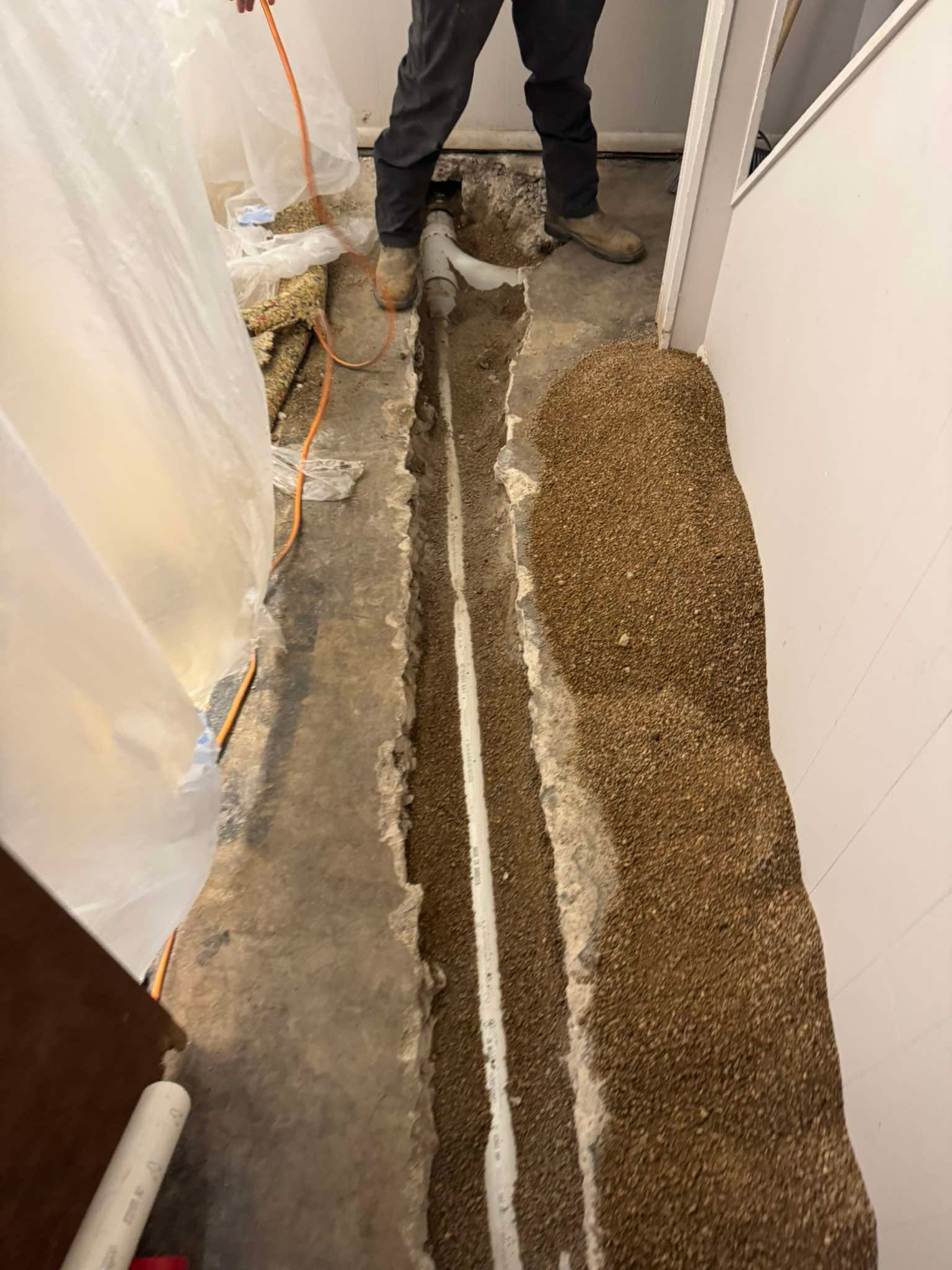
Unlike exterior sewer repairs that occur in the yard, interior sewer repairs often require accessing the pipe beneath flooring or concrete. Proper diagnosis is critical to ensure only the affected area is repaired.
Many homeowners assume a clogged drain is the problem when the real issue is deeper within the sewer system. Some of the most common warning signs include:
- Multiple drains backing up at the same time
- Water backing up in a basement drain
- Frequent toilet clogs
- Slow drains throughout the home
- Sewage odors inside the house
- Gurgling sounds from drains or toilets
- Damp spots on flooring
- Foundation moisture issues
- Cracks in flooring near plumbing fixtures
If these problems continue returning after drain cleaning, there may be a damaged sewer pipe beneath the home.
Common Signs You May Need Interior Sewer Line Repair
Common Problems We Find
Every property is different, but there are several issues we commonly discover during inspections.
Cracked Sewer Pipes
Over time, sewer pipes can develop cracks due to age, settling foundations, or shifting soil conditions. Even small cracks can allow leaks and create recurring drainage issues.
Broken or Collapsed Pipe Sections
In some cases, a section of pipe may fail completely, preventing wastewater from flowing properly through the system.
Offset Pipe Connections
As foundations settle, sections of pipe can shift out of alignment. These offsets can catch debris and create recurring blockages.
Corroded Cast Iron Pipes
Many older Denver homes still have cast iron sewer pipes. As these systems age, corrosion can narrow the pipe and eventually cause failures.
Root Intrusion
Although more common outside, roots can sometimes find their way into underground pipes beneath the home and create serious blockages.
Pipe Bellies
A low section in the pipe can collect waste and water, resulting in ongoing drainage issues and backups.
Why Early Repairs Matter
Small sewer problems rarely stay small.
A minor crack or blockage can eventually lead to:
- Major backups
- Water damage
- Foundation concerns
- Mold growth
- Costly emergency repairs
Identifying and repairing the issue early often provides more repair options and helps prevent larger expenses down the road.
If you notice recurring drainage issues, it is always better to investigate the cause before it becomes an emergency.
Repair vs Replacement
Not every sewer problem requires replacing the entire line.
In many cases, a targeted repair can solve the issue if:
- Damage is limited to one section
- The surrounding pipe is still in good condition
- There are no widespread structural issues
However, replacement may be recommended when:
- Multiple areas are failing
- The pipe has significant deterioration
- Recurring issues continue returning
- The existing system is nearing the end of its lifespan
Our goal is always to recommend the solution that makes the most sense for your situation rather than pushing unnecessary work.
Our Sewer Inspection Process
Step 1: Sewer Camera Inspection
We begin by inspecting the sewer line with a specialized camera to determine the exact location and cause of the problem.
Step 2: Diagnose the Issue
Once we identify the damaged section, we evaluate the condition of the surrounding pipe and determine whether a repair or replacement is needed.
Step 3: Access the Pipe
If the damaged section is beneath a concrete slab or flooring, we carefully access the affected area while minimizing disruption to the property.
Step 4: Complete the Repair
The damaged pipe is repaired or replaced using quality materials designed for long term performance.
Step 5: Final Testing
Once repairs are complete, we verify proper flow and ensure the system is functioning correctly before closing the area.
Why Choose Sewer Line Denver?
At Sewer Line Denver, sewer line repair is what we do. We understand the challenges that come with diagnosing and repairing underground sewer systems, especially when the problem is hidden beneath your home.
Property owners trust us because we:
- Specialize in sewer line services
- Use advanced camera inspection technology
- Provide honest recommendations
- Focus on long term solutions
- Minimize disruption whenever possible
- Offer both repair and replacement options
We believe homeowners deserve clear answers and quality workmanship when dealing with a sewer problem.
Expert Interior Sewer Line Repair
Frequently Asked Questions
How do I know if my sewer line is under the slab?
Many homes have sewer lines that run beneath the foundation before connecting to the main sewer line outside. A camera inspection can determine the location and condition of the pipe.
Do you have to break concrete to repair a sewer line?
In some cases, yes. However, we only access the areas necessary to complete the repair and minimize disruption whenever possible.
Can you repair part of the pipe instead of replacing everything?
Yes. If the damage is isolated and the rest of the pipe is in good condition, a targeted repair may be the best option.
How long does an interior sewer repair take?
The timeline depends on the extent of the damage and accessibility of the pipe. Many repairs can be completed within a few days.
What causes sewer pipes under a home to fail?
Common causes include age, corrosion, shifting foundations, root intrusion, poor installation, and normal wear over time.
Need More Information?
If you have more questions about sewer line repairs, our team at Sewer Line Denver is here to help. Contact us today for expert advice and personalized solutions.