Trenchless Sewer Line Repair & Replacement
When most people hear they need sewer work, they immediately picture a torn-up yard, damaged landscaping, and weeks of disruption. Fortunately, that is not always the case. Trenchless sewer repair and replacement allows many sewer line problems to be fixed with significantly less digging than traditional excavation methods.
At Sewer Line Denver, we offer trenchless sewer solutions for homeowners and businesses looking for a faster, less invasive way to restore their sewer system. Depending on the condition of the pipe, trenchless methods can repair or replace sewer lines while preserving driveways, landscaping, patios, and other areas of your property.
Every sewer line is different, which is why we start with a thorough camera inspection to determine whether trenchless repair or replacement is a viable option. If it is, we will walk you through the process and explain exactly what to expect.
Contact Us
We will get back to you as soon as possible.
Please try again later.
What Is Trenchless Sewer Repair & Replacement?
Trenchless sewer repair and replacement is a modern method of restoring damaged sewer lines without excavating the entire length of the pipe.
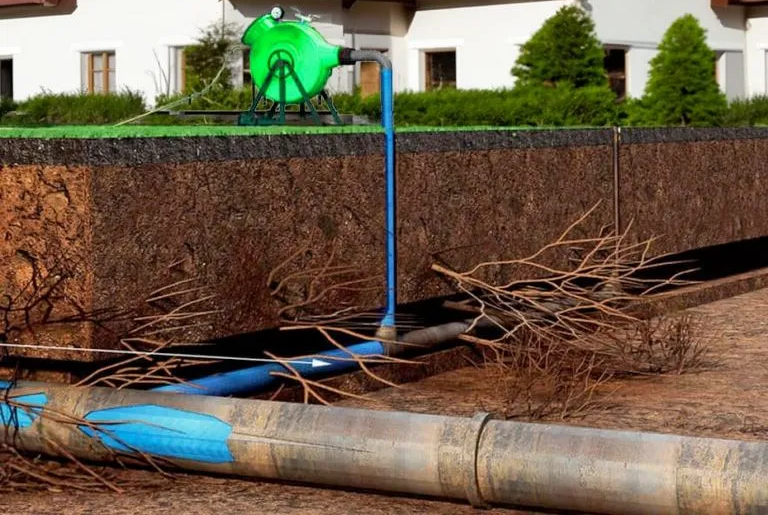
Instead of digging a trench across your yard, trenchless methods typically require only one or two access points. Specialized equipment is then used to repair, line, or replace the existing sewer line underground.
This approach can significantly reduce property disruption while still providing a durable, long-lasting solution.
Trenchless technology is often used for:
- Sewer line replacement
- Sewer pipe lining
- Root damage repair
- Cracked pipe restoration
- Aging sewer systems
- Sewer line rehabilitation
Many of the same issues that require traditional sewer repair can also qualify for trenchless solutions.
Common warning signs include:
- Frequent sewer backups
- Multiple slow drains
- Gurgling toilets or drains
- Sewer odors inside or outside the home
- Root intrusion in the sewer line
- Cracked or deteriorating pipes
- Recurring drain cleaning issues
- Wet spots in the yard
- Older sewer systems showing signs of failure
A camera inspection is the best way to determine whether trenchless repair is possible.
Common Signs You May Need Trenchless Sewer Repair
Common Problems We Find
Not every sewer line qualifies for trenchless repair, but many do. Here are some of the most common issues we encounter.
Root Intrusion
Tree roots can enter sewer lines through small cracks and joints. Trenchless methods can often restore the pipe while eliminating root intrusion.
Cracked Sewer Pipes
Minor to moderate cracking can frequently be repaired without excavating the entire sewer line.
Aging Sewer Systems
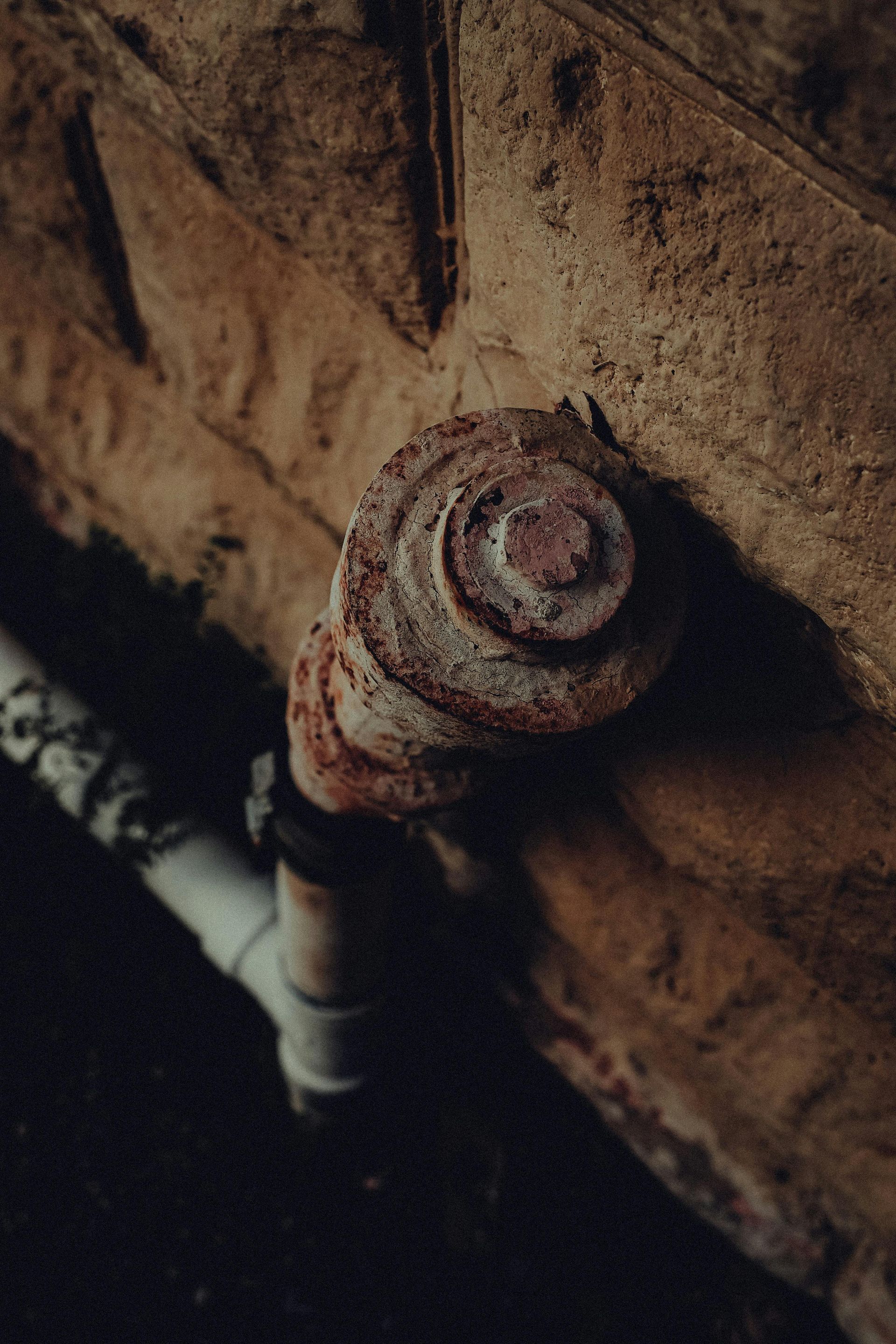
Older clay, cast iron, and Orangeburg pipes often benefit from trenchless rehabilitation or replacement.
Corroded Pipes
Pipes affected by corrosion may be restored using trenchless lining solutions that create a new interior surface.
Recurring Blockages
If blockages continue returning despite cleaning efforts, trenchless repairs may provide a more permanent solution.
Deteriorating Pipe Walls
As sewer pipes age, their structural integrity can weaken. Trenchless methods can reinforce or replace these pipes without major excavation.
Why Homeowners Choose Trenchless Sewer Solutions
One of the biggest advantages of trenchless sewer repair is the reduced impact on your property.
Compared to traditional excavation, trenchless solutions can offer:
- Less digging
- Faster project completion
- Reduced landscape damage
- Less disruption to driveways and sidewalks
- Lower restoration costs
- Long-lasting results
For many property owners, preserving their yard and hardscapes is just as important as fixing the sewer line itself.
Trenchless Repair vs Traditional Excavation
Many customers ask whether trenchless repair is always the better option.
Trenchless repair may be ideal when:
- The pipe still has structural integrity
- Property disruption needs to be minimized
- Landscaping or hardscapes would be costly to restore
- Access is limited
Traditional excavation may be necessary when:
- The pipe has completely collapsed
- Significant sections are missing
- Severe ground movement has occurred
- The sewer line cannot support trenchless methods
Our team evaluates every situation individually and recommends the solution that makes the most sense for your property.
Our Trenchless Sewer Repair Process
Step 1: Sewer Camera Inspection
We inspect the sewer line to determine the location, severity, and type of damage.
Step 2: Evaluate Trenchless Eligibility
Not every sewer line qualifies for trenchless repair. We assess the condition of the pipe to determine whether trenchless methods are appropriate.
Step 3: Develop a Repair Plan
Our team explains the available options and recommends the best solution based on the condition of the sewer system.
Step 4: Complete the Repair or Replacement
Using specialized equipment, we restore or replace the sewer line through limited access points.
Step 5: Final Inspection
Once the project is complete, we inspect the finished work and verify proper flow throughout the system.
Why Choose Sewer Line Denver?
At Sewer Line Denver, we specialize in sewer line diagnostics, repair, replacement, and trenchless solutions. We understand that every sewer problem is different, and we take the time to identify the right repair method instead of applying a one-size-fits-all approach.
Property owners choose us because we:
- Specialize in sewer line services
- Offer trenchless and traditional solutions
- Use advanced camera inspection technology
- Provide honest recommendations
- Focus on long-term reliability
- Minimize disruption whenever possible
Our goal is to help you solve sewer problems efficiently while protecting your property and investment.
Expert Trenchless Sewer Line Repair
Frequently Asked Questions
What is the biggest advantage of trenchless sewer repair?
The biggest advantage is that it typically requires significantly less digging than traditional sewer replacement, helping preserve landscaping, driveways, and other property features.
Is trenchless sewer repair permanent?
Modern trenchless systems are designed to provide long-lasting performance and can often last for decades when properly installed.
Does every sewer line qualify for trenchless repair?
No. A camera inspection is needed to determine whether the existing pipe is a good candidate for trenchless methods.
Is trenchless repair faster than traditional excavation?
In many cases, yes. Trenchless projects can often be completed more quickly because less excavation and restoration are required.
Is trenchless repair more expensive?
Every project is different. While trenchless methods may sometimes have a higher installation cost, they can reduce landscaping and restoration expenses, making them very cost-effective overall.
Need More Information?
If you have more questions about sewer line repairs, our team at Sewer Line Denver is here to help. Contact us today for expert advice and personalized solutions.