Sewer Pipe Lining
Not every damaged sewer line needs to be dug up and replaced. In many cases, sewer pipe lining can restore the integrity of your existing sewer line while avoiding major excavation and property disruption. This trenchless solution creates a new pipe inside the existing pipe, helping homeowners and businesses extend the life of their sewer system without tearing up their yard.
At Sewer Line Denver, we offer professional sewer pipe lining services throughout the Denver area. Using advanced inspection equipment and proven trenchless technology, we can determine whether your existing sewer line qualifies for pipe lining and provide a long-lasting solution designed to restore proper flow and prevent future issues.
If you are looking for a less invasive alternative to traditional sewer replacement, pipe lining may be the answer.
Contact Us
We will get back to you as soon as possible.
Please try again later.
What Is Sewer Pipe Lining?
Sewer pipe lining, often referred to as CIPP (Cured-In-Place Pipe) lining, is a trenchless repair method that creates a new pipe within your existing sewer line.
The process involves inserting a flexible liner coated with epoxy resin into the damaged pipe. Once the liner is positioned correctly, it is inflated and cured, creating a seamless new pipe inside the original one.
The result is a strong, durable sewer line that can continue functioning for decades without the need for extensive excavation.
Pipe lining can often repair:
- Cracked sewer pipes
- Root intrusion damage
- Minor pipe deterioration
- Leaking pipe joints
- Aging sewer systems
Many sewer line problems can be addressed with pipe lining before they become severe enough to require replacement.
Common warning signs include:
- Recurring drain backups
- Slow drains throughout the home
- Sewer odors inside or outside
- Frequent root intrusion
- Cracked or deteriorating pipes
- Minor leaks in the sewer system
- Older sewer lines showing signs of wear
- Repeated drain cleaning with temporary results
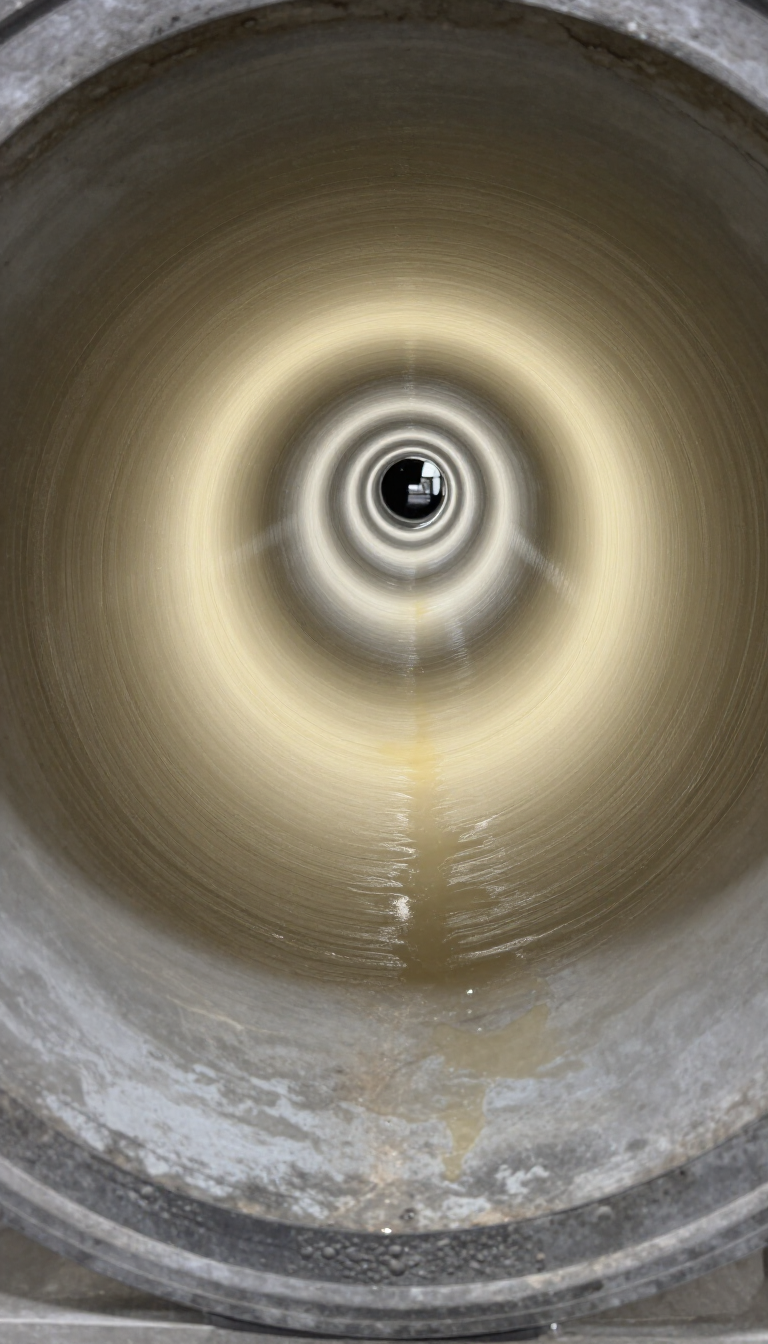
A camera inspection is the best way to determine whether your sewer line is a good candidate for pipe lining.
Common Signs You May Need Sewer Pipe Lining
Common Problems We Find
Pipe lining is designed to address many of the issues commonly found in aging sewer systems.
Tree Root Intrusion
Tree roots naturally seek out moisture and can work their way into small cracks or joints in sewer pipes. Over time, roots continue to grow and can block or damage the line.
Cracked or Broken Pipes
Older sewer systems can develop cracks due to age, ground movement, freezing temperatures, or shifting soil conditions.
Pipe Bellies
A pipe belly occurs when a section of the sewer line sinks and creates a low spot where water and waste collect. This can lead to recurring backups and poor drainage.
Collapsed Sewer Lines
In severe cases, sections of pipe can collapse entirely, restricting flow and often requiring repair or replacement.
Grease and Debris Buildup
Grease, wipes, and other materials can accumulate over time and create stubborn blockages that prevent proper drainage.
Offset Pipe Joints
As soil settles, sections of pipe can shift out of alignment. These offsets create areas where debris catches and backups occur.
Why Homeowners Choose Sewer Pipe Lining
One of the biggest advantages of pipe lining is that it allows the sewer line to be restored without digging up large sections of the property.
Benefits often include:
- Minimal excavation
- Faster project completion
- Preservation of landscaping
- Reduced disruption to daily life
- Long-lasting results
- Lower restoration costs
- Improved sewer flow
For many property owners, pipe lining provides the perfect balance between cost, performance, and convenience.
Pipe Lining vs Sewer Line Replacement
Many property owners wonder whether pipe lining or full replacement is the better option.
Pipe lining may be ideal when:
- The pipe has cracks but remains structurally stable
- Root intrusion has not caused severe collapse
- Property disruption needs to be minimized
- The existing line can support a liner
Replacement may be necessary when:
- The pipe has collapsed
- Significant sections are missing
- Severe offsets exist
- Structural damage is too extensive
Every sewer system is different. Our team evaluates the condition of the line and recommends the solution that provides the best long-term value.
Our Sewer Pipe Lining Process
Step 1: Sewer Camera Inspection
We inspect the sewer line to evaluate its condition and determine whether pipe lining is an appropriate solution.
Step 2: Clean the Sewer Line
Before installing the liner, the pipe is thoroughly cleaned to remove debris, roots, and buildup.
Step 3: Install the Liner
A specialized liner coated with epoxy resin is inserted into the sewer line and positioned throughout the damaged section.
Step 4: Cure the Liner
The liner is inflated and allowed to cure, creating a new pipe within the existing pipe.
Step 5: Final Inspection
After curing is complete, we perform a final camera inspection to confirm the integrity of the newly lined sewer pipe.
Why Choose Sewer Line Denver?
At Sewer Line Denver, we specialize in sewer diagnostics, trenchless solutions, repairs, and replacements. We take the time to understand the condition of your sewer line and recommend the solution that truly fits your situation.
Customers choose us because we:
- Specialize in sewer line services
- Use advanced camera inspection technology
- Offer trenchless repair options
- Provide honest recommendations
- Focus on long-term reliability
- Minimize disruption whenever possible
Our goal is to help you solve sewer problems efficiently while protecting your property and investment.
Frequently Asked Questions
How long does sewer pipe lining last?
Modern pipe lining systems can last 50 years or more when properly installed and maintained.
Do you have to dig up my yard for pipe lining?
In most cases, little to no excavation is required, making pipe lining one of the least invasive sewer repair options available.
Is pipe lining as strong as a new pipe?
Yes. Once cured, the liner creates a durable new pipe inside the existing sewer line that is resistant to corrosion and root intrusion.
Can every sewer line be lined?
No. A camera inspection is required to determine whether the existing pipe has enough structural integrity to support a liner.
Is pipe lining cheaper than replacement?
Every project is different, but pipe lining can often reduce restoration costs because it avoids major excavation and landscaping repairs.
Need More Information?
If you have more questions about sewer line repairs, our team at Sewer Line Denver is here to help. Contact us today for expert advice and personalized solutions.